Foundation Notes.
Kelvona Journal was established in London with a single editorial purpose: to examine the psychology of weight and eating with the same rigour and care that a long-form magazine might apply to any complex human subject.
The premise of the publication is that weight-related behaviour is primarily a subject of cognitive and behavioural science — not of nutrition tables or dietary rulebooks — and that a reading audience exists for writing that takes this premise seriously.
Each article is informed by peer-reviewed research in behavioural psychology, habit theory, and nutritional science, translated into considered, readable prose. The journal does not advocate for any particular eating approach, and carries no commercial relationships with food, supplement, or wellness product companies.

What This Publication Examines
Kelvona Journal is an independent editorial publication focused on everyday wellness practices. The publication is not affiliated with any commercial, governmental, or institutional body.
The journal's editorial position is that weight stability — understood as a long-term outcome rather than a daily or weekly target — is substantially shaped by cognitive and behavioural factors that receive considerably less attention in popular discourse than dietary composition or exercise volume.
These factors include: the structure of habitual patterns, the role of environmental cues in triggering eating behaviour, the dynamics of self-regulatory capacity across the day and week, the influence of body image and self-perception on food choices, and the quality of motivation underlying eating-related intentions. Each of these is an area of active research, and each offers practical insight that a general readership can engage with.
Evidence-Informed
All articles draw on published research. Sources are cited where appropriate.
Commercially Independent
No commercial relationships with food, supplement, or wellness product companies.
Long-Form Focus
Articles are written for depth, not frequency. Each piece is reviewed before publication.
Editorial Contributors

Eleanor is the publication's lead editor, with a background in behavioural science and nutritional research. She has written on the cognitive dimensions of eating behaviour for a number of publications, and oversees editorial standards at Kelvona Journal.
Read her work →
Phoebe is a contributing editor whose writing focuses on the environmental and structural dimensions of food choice. She draws on research in behavioural nutrition and cognitive psychology to examine how physical and social contexts shape what people eat.
Read her work →
Tobias is a guest contributor with a background in behavioural psychology. His writing for Kelvona Journal examines motivation, self-regulation, and the cognitive factors that shape sustained behaviour change in everyday wellness contexts.
Read his work →An Editorial Publication, Not a Wellness Product
Kelvona Journal does not sell programmes, courses, plans, or any form of personalised service. It publishes long-form editorial writing on the psychology of everyday food habits and weight stability.
The distinction matters because it shapes how the writing is positioned. Articles at Kelvona Journal are not written to motivate the reader toward a particular outcome. They are written to inform — to describe what the research suggests, to explain why certain patterns emerge, and to leave the reader with a richer understanding of the forces that shape their food-related behaviour.
Articles published on Kelvona Journal are editorial in nature and reflect the writers' observations on everyday wellness practices. The content is not intended as professional advice, nor as guidance for the management of any specific condition. Readers with specific concerns about their daily routines are encouraged to speak with a qualified wellness professional.

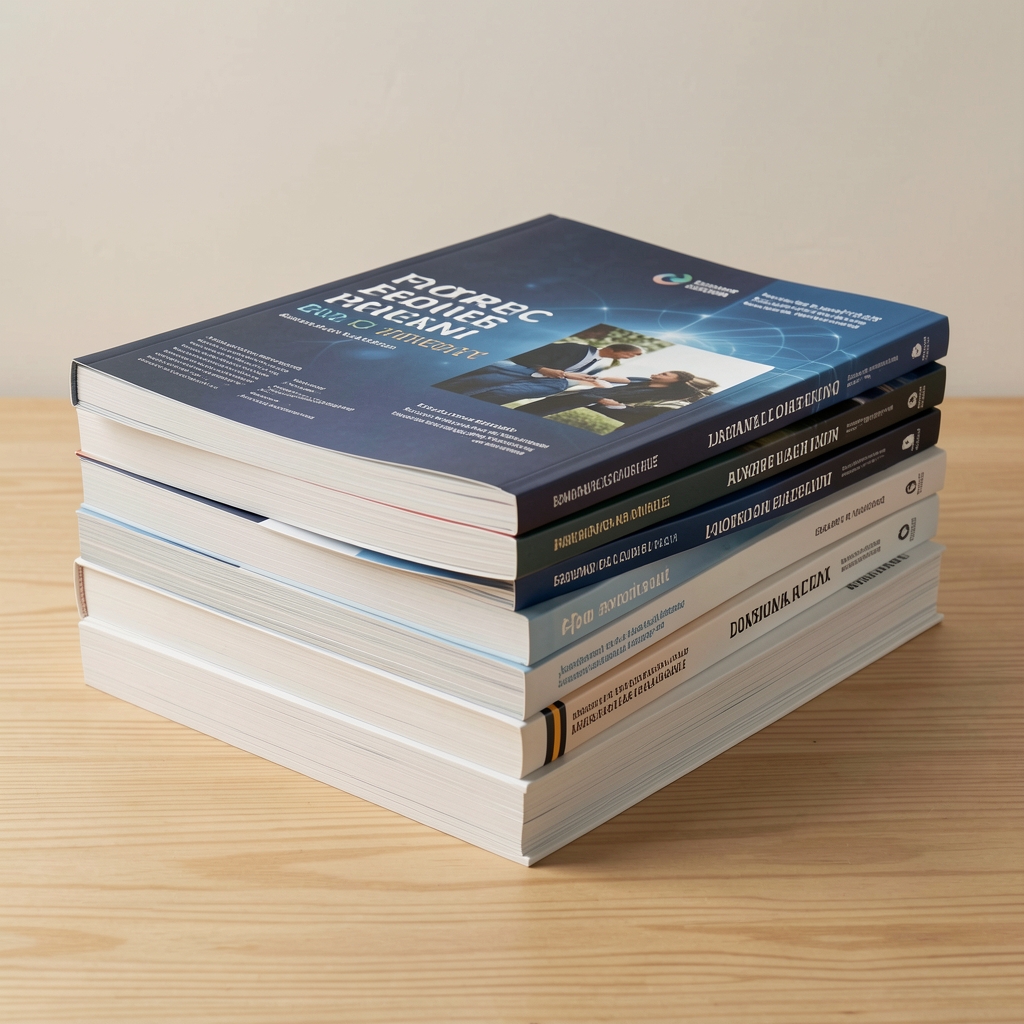
How Articles Are Written
Research-Led
Each article begins with a review of published peer-reviewed literature. Claims are traced to sources; speculative interpretation is identified as such.
Second-Editor Review
All articles are reviewed by at least one second editor before publication. Corrections are noted publicly if factual errors are identified after publication.
No Affiliate Links
The publication carries no affiliate links, sponsored content, or paid promotional material. Writers disclose any commercial relationships relevant to their subject matter.
Balanced Representation
Where the evidence is contested, articles represent the range of current positions rather than presenting a single conclusion as established fact.
Contributions and Correspondence
Guest contributions are considered from writers and qualified wellness professionals whose subject matter aligns with the publication's editorial focus. For pitches, correspondence, or enquiries about the journal, use the contact page.
Contact the Editors